

Water damage mitigation and restoration are major parts of SERVPRO®’s service offerings. But there are so many different industry terms used in the restoration industry, and we thought it best to clarify what we mean by “mitigation” and “restoration” specifically.
Water Damage Mitigation
The official definition of mitigate is: “To lessen or compensate for a previous event that had significant impact on a structure or area.”

In other words, water damage mitigation refers to the act of minimizing the spread of water—or stopping it completely. Sometimes, this can be done by locating the source of the water and turning it off (if the cause is in your house, for example). Unfortunately, it may not be so simple or safe, since water damage can be caused by a wide variety of issues, from storm or severe weather damage to a burst pipe.
Time is of the essence, too. The longer water sits in your home or business, the more damage is done. The sooner you call a professional, the better.
That’s why it’s always important to contact a cleanup and restoration company like SERVPRO in the event of water damage.
Regardless of the source, SERVPRO’s water damage mitigation process includes two major steps:
- When you contact your local SERVPRO franchise, a specialist will ask a series of questions to make sure the team responds appropriately to your unique situation. The goal is to schedule a time for a SERVPRO restoration professional to visit as soon as possible, assess the property, develop a restoration plan, and stop the source of water.
- SERVPRO professionals will work to locate and stop the source of water. Then, a thorough inspection and assessment of the damaged area will take place, to determine the severity of damage, any hazards present, and what may or may not be restorable.
Water Damage Restoration
The official definition of restoration is: “To perform activities and remedial work to return a site to approximately the same condition as it was before any incident or alteration has taken place. Restoration usually follows remediation, like in the case of flood, sewage, or fire damages.”
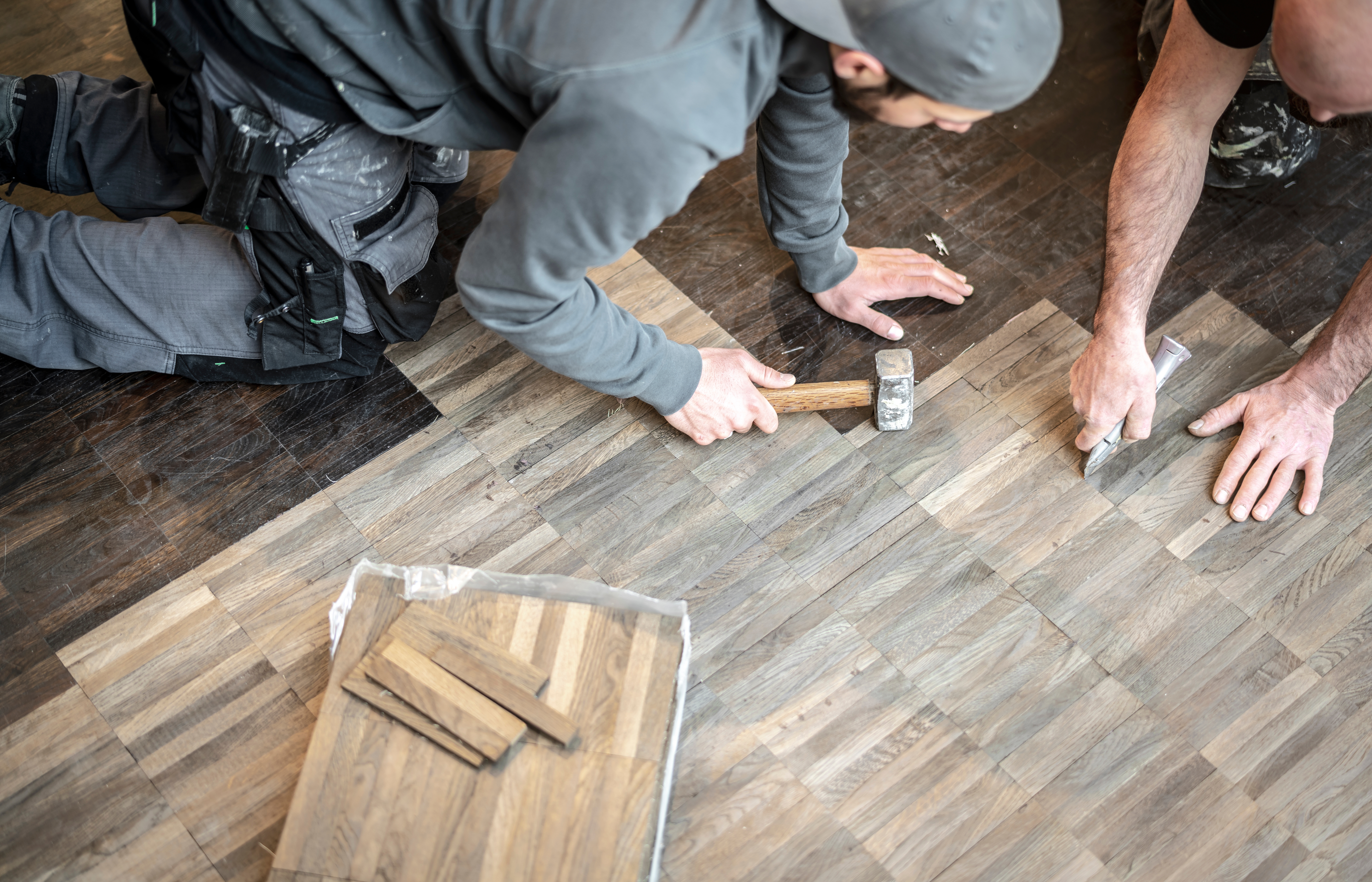
With water damage, restoration is the process by which your property is restored after water damage cleanup. Depending on the damage, this can include carpet cleaning, full reconstruction, or a wide array of other services. SERVPRO’s water damage restoration process includes the following steps:
- A thorough removal of the offending water takes place. Pumps and extraction units may be used.
- Damaged materials are removed from the area if they can’t be salvaged, to ensure the restoration process continues in an efficient manner. This will be communicated to you.
- Cleaning, sanitization, and deodorization begin. A variety of techniques and equipment may be used according to the severity of damage and scope of the job.
- The drying process is next. While drying equipment is normally placed on the property during the first visit, it will be used at this stage to dry any water you can’t see, extracting it from within materials to bring them back to their normal moisture level.
- SERVPRO professionals will visit your property on a routine basis to monitor the drying process and make adjustments as needed.
- Additional restoration requirements, including construction services, will begin at this stage, if needed.
Water Damage Emergency Tips
There are some helpful emergency tips that may be useful while you wait for professionals to arrive:
- Collect loose items from floors.
- Turn on air conditioning for maximum drying, especially in the summer.
- Remove colored rugs from wet carpeting.
- Remove artwork, computers, and other sensitive items or documents from the affected area.
- Prop up wet upholstery and cushions.
- Remove excess water by mopping or blotting it.
- Remove lamps and other tabletop items, then wipe excess water from wood surfaces.
- Set aluminum foil or wood blocks between moisture-laden carpet and furniture legs.
SERVPRO is Here to Help®
SERVPRO is the #1 choice in cleanup and restoration, with more than 2,000 franchises across the United States and Canada. We’re trained and equipped to handle both minor losses in residential homes and large loss damages in major commercial properties.
We’re here to help, fully committed to returning your property to pre-loss condition, “Like it never even happened.” Visit our FAQ and Glossary for more information.