

Mold can be a serious problem for both homeowners and businesses. It can damage property and belongings, and it can lead to health concerns, especially for those with allergies or asthma. Mold can be hard to detect, since it typically appears in crawlspaces, airducts, attics, basements, and other hidden spots.
It’s important to have a basic understanding of the different types of mold and how to identify them, so you can take the necessary steps to protect your home or business from mold-related damage.
Mold Explained
Mold is a fungus that grows in damp, humid environments. It’s made up of tiny spores that travel through the air and can enter your home or business through open windows and air vents, or on clothing or pets. It can come from a water leak to just poor ventilation, and it can quickly spread on damp surfaces. While not every type of mold is dangerous, it’s best to not take a chance.
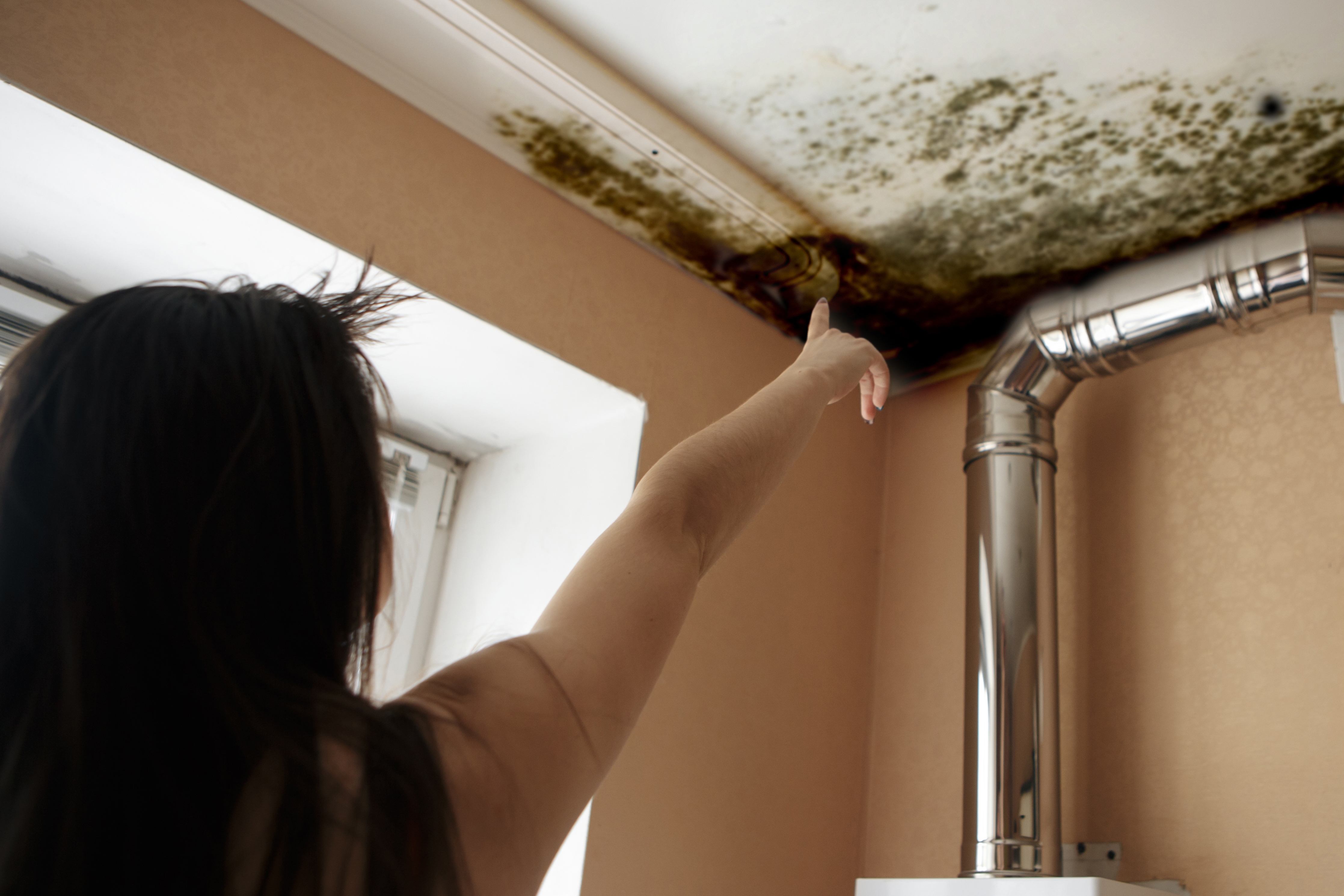
Common Types of Mold Found in Homes
Mold can range from harmless to toxic. So, it’s important to identify the type of mold present in your home, if possible. Some of the most common types of mold found in homes:
- Aspergillus: Commonly found on foods and air conditioning systems, this mold is typically green, white, or gray, with a powdery texture and dark spots throughout.
- Cladosporium: Usually black or green in color, cladosporium is usually found on fiberglass air ducts, painted surfaces, and toilet backs.
- Stachybotrys Chartarum (also known as black mold): Typically greenish-black in appearance, black mild is often found on surfaces with high cellulose content, such as paper, gypsum board, and fiberboard. It can be toxic.
- Sclerotinia sclerotiorum (also known as white mold): A variety of species, not a single fungus—white or light-colored at some point in their growth cycle—that can cause respiratory issues and structural damage to your home.
- Alternaria: This mold can be found on food, paper, materials, goods, and clothes. It tends to be dark, or gray-green in color.
- Penicillium: Generally found on leather, fabrics, and food, this mold assists in the production of cheeses, antibiotics, and organic acids. It’s typically blue, green, or yellow, with a fuzzy texture.
Mold Growth
Mold growth can be identified by:
- Musty odors.
- Visible mold growth.
- Discoloration or staining of walls and ceilings.
It’s important to inspect your home or business regularly for signs of mold growth—and to take immediate action if any is found. Time is of the essence when you spot mold, since it can take less than 72 hours for it to grow on a damp surface.
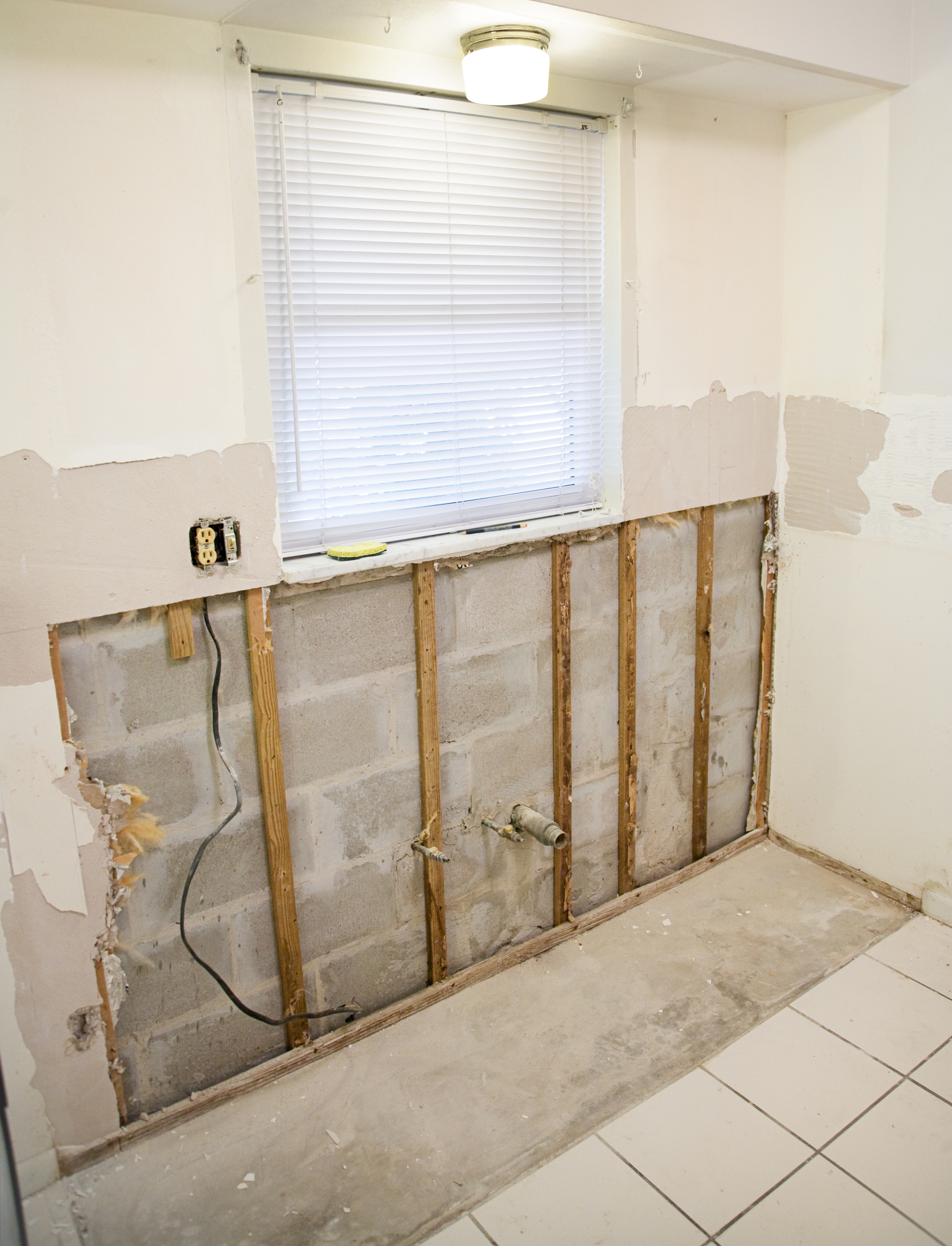
SERVPRO is Here to Help®
Whether you’ve experienced mold growth in your basement, attic, business, or more, SERVPRO offers a wide variety of cleanup and restoration services, services such as water damage cleanup, mold remediation and biohazard cleanup. Our technicians are committed to returning your property to pre-loss condition, making it “Like it never even happened.”
To find out more, contact us today or visit our FAQ and Glossary.