

Mold Removal and Remediation Services
Mold can grow anywhere. Trust SERVPRO® for reliable mold remediation, abatement, and restoration.
Your detected location is:
The Mold Remediation Process
Significant mold growth can happen in just 24 to 72 hours (about 3 days) and mold can literally grow anywhere and on anything if there is enough moisture. This includes wood, paper, carpet, and even food. If you suspect you have mold in your home, call the professionals at SERVPRO® for information about our mold remediation services. Our technicians will thoroughly assess and inspect your property for visible mold signs. They use various techniques to detect the presence of mold and possible hidden water sources. If mold is found, SERVPRO works with you through the cleanup, repair, and remediation process with as little disruption as possible.
Quick Links:
Have another question?


Mold Remediation and Removal for Business
Business owners confronted with a mold problem know they need to act quickly to ensure mold does not spread further and cause excessive downtime for their workplace. If your commercial property needs mold services, call SERVPRO. We will work closely with you, being mindful of your business needs, to minimize disruption if possible.
What is Mold?
Mold occurs in many types and all of them require moisture to grow. Excessive water or moisture encourages mold to grow. According to the Environmental Protection Agency, “When excessive moisture accumulates in buildings or on building materials, mold growth often occurs, particularly if the moisture problem remains undiscovered or unaddressed.”
Why Choose SERVPRO for Mold Removal and Mold Remediation?

24/7 Emergency Service
Time is important when dealing with mold, and a quick response will help lessen damage, help avoid costly repairs and help result in less disruption to your family.
Uniquely Trained Technicians
Our professionals can handle your mold removal problem and have credentials from the Institute of Inspection Cleaning and Restoration Certification (IICRC).
#1 Choice in the Cleanup and Restoration Industry*
We’ve earned a reputation as a trusted leader in the restoration industry and specialize in mold removal, mold inspection and testing, mold cleanup, mold restoration, and more.
Easier Insurance Claims Process
What to Do About Mold Until Help Arrives
What to Do

Restrict access to the area where mold is present from pets, kids, and yourself. If the mold is contained in one room or area that has a door, close the door or cabinet to help with containment.
If you can, attempt to determine the water source and take appropriate action to stop it to prevent further mold problems
What Not to Do
What Is the Mold Remediation Process?

Emergency Contact
The mold cleanup and restoration process begins when you call us. Our specialist will ask a series of questions to help us determine the necessary equipment, resources, and personnel needed for you and your home.

Inspection and Mold Damage Assessment
SERVPRO professionals will carefully inspect your property for visible signs of mold. Using a variety of technologies, we can detect mold and locate any hidden water sources so the mold will not return once the area is cleaned and the mold removal process has been completed.

Mold Containment

Air Filtration

Removing Mold and Mold-Infested Materials
We use antifungal and antimicrobial treatments to treat mold colonies. When necessary to remediate heavy mold growth, our mold removal process includes the removal and disposal of mold-infested porous materials such as carpeting, drywall, and insulation.

Cleaning

Restoration

Mold Inspections & Sampling
Our technicians will thoroughly assess and inspect your home for visible signs of mold, then use various techniques to detect the presence of mold and possible hidden water sources.

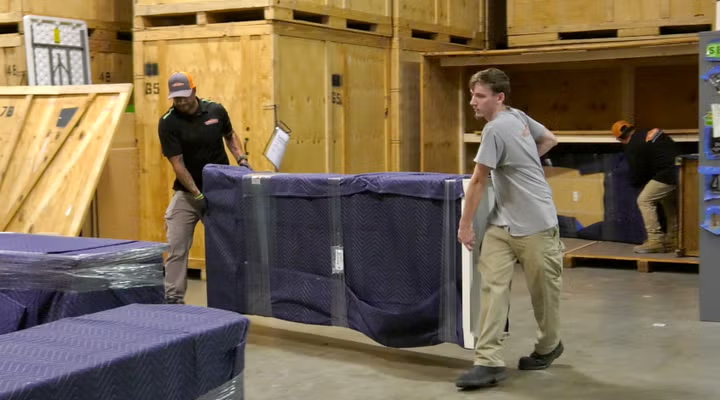
Contents Packout & Storage
After mold damage has been discovered, we move fast to protect what matters. We can transport belongings to our secure storage and restoration facility where cleaning and restoration are provided.
- Every item is inventoried and treated with expert care
- Your things are stored until it’s time to return them to you


Do I really need mold remediation?
Finding mold in your home or business can be troubling, and it’s natural to want to get rid of it fast. Because mold spreads fast and can sometimes be inconspicuous, it’s best practice to call in professionals like SERVPRO to diagnose and address the mold issue for you.
Can you stay in your house during mold remediation?
Depending on the severity of the mold in your home, it is sometimes possible to remain in the home during remediation. One of the first things SERVPRO does before beginning remediation work is to erect containment around the affected area so that it is isolated and to limit cross-contamination in areas not affected.
Can you clean up mold yourself?
It is not recommended that you try to clean mold yourself, but instead have it handled by professionals who have been trained to do so. You can try to determine the water source that is feeding the mold growth and stop or turn off that source. However, be sure not to disturb the mold in doing so.
It’s also a good idea to turn off your HVAC system until a professional can inspect and diagnose your mold issue. Keeping the fans running could spread mold spores and increase damage to your property.
Related Services
![Residential_Mold_Page_resize.jpg]()
Mold Damage Tips
What You Can Do Until Help Arrives
In as little as 48 hours, mold can quickly become a …
![Mold_Under_Wallpaper.jpg]()
The Mold Remediation Process
In addition to causing significant property damage, mold can produce allergens and …
![Mold_on_cabinet.jpg]()
Your Belongings and Mold Damage
Water and mold damage affects not only the structure of your house but also your …


